

Epoxy resin has become one of the most versatile and high-performance materials in woodworking, art, construction, flooring, and industrial manufacturing. From glossy river tables and crystal-clear coatings to heavy-duty industrial adhesives, epoxy resin is everywhere in 2026.
: In this complete beginner guide, you will learn
What epoxy resin is▪️
How epoxy resin works (chemistry explained▪️ simply)
Types of epoxy resin▪️
Applications in wood and art▪️
Mixing ratios and curing process▪️
Tools and safety essentials▪️
Common beginner mistakes▪️
Frequently asked question▪️
Whether you are launching your first resin project or expanding your resin and wood business, this guide will give you a solid technical foundation.
?What Is Epoxy Resin
Epoxy resin is a two-component thermosetting polymer system consisting of
Resin (Part A)🔘
Hardener (Part B)🔘
When mixed in the correct ratio, a chemical reaction called polymerization occurs. This reaction transforms the liquid mixture into a solid, durable, and highly adhesive material
Unlike paints or varnishes that dry by evaporation, epoxy resin cures through a chemical reaction, making it:
Extremely strong🔹️
Highly durable🔹️
Water-resistant🔹️
Chemically resistant🔹️
Structurally stable🔹️
The Chemistry Behind Epoxy Resin (Beginner-Friendly Explanation)
Epoxy resin contains epoxide groups. When combined with a hardener (usually an amine-based compound), a cross-linking reaction begins.
?What Happens During Curing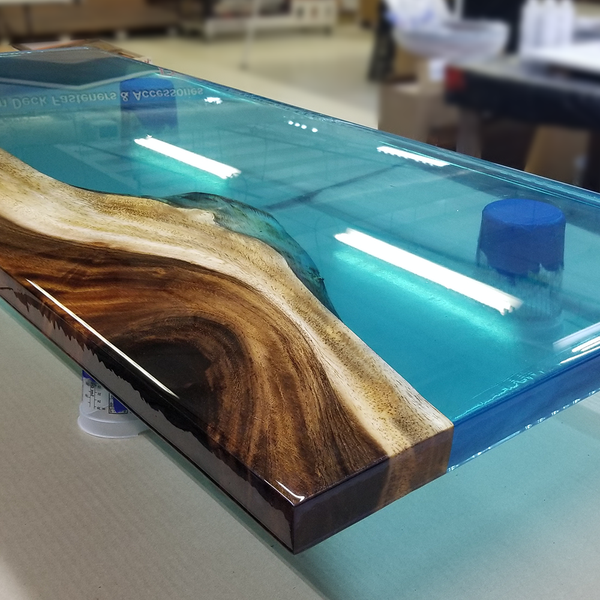
Resin and hardener molecules start reacting▪️
Heat is generated (exothermic reaction)▪️
Molecules link together into a 3D network▪️
:The material transforms from▪️
liquid→gel→solid
The result is a thermoset plastic that cannot be melted again once cured
Main Types of Epoxy Resin (2026 Market Overview)
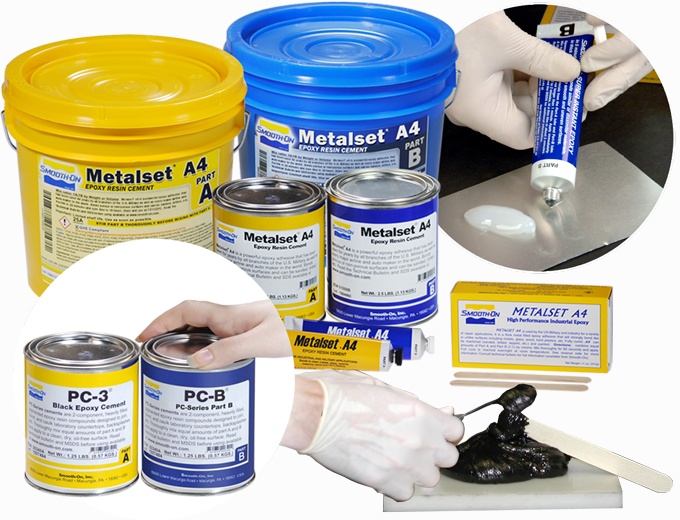
Understanding different types of epoxy resin is crucial for selecting the right system for your project
1️⃣Deep Pour Epoxy Resin
Designed for thick pours (2–10 cm or more)▪️
Slow curing to prevent overheating▪️
Ideal for river tables and large molds▪️
Best for: Resin wood tables, casting projects
2️⃣Coating Epoxy Resin
Thin pour applications (1–3 mm)▪️
Self-leveling▪️
High-gloss finish▪️
Best for: Tabletop coatings, bar tops, artwork sealing
3️⃣Epoxy Adhesive
High bonding strength▪️
Used in construction and industrial assembly▪️
Best for: Structural bonding
4️⃣Flooring Epoxy
High abrasion resistance▪️
Often UV-resistant and chemical-resistant▪️
Best for: Garages, warehouses, commercial
floors
Key Properties of Epoxy Resin
Epoxy resin is popular because of its exceptional performance characteristics
1️⃣High Mechanical Strength
Strong tensile and compressive properties make it ideal for structural applications.
2️⃣Excellent Adhesion
:Bonds to
Wood▪️
Metal▪️
Concrete▪️
Glass▪️
Stone▪️
3️⃣Chemical Resistance
Resistant to oils, fuels, and many solvents
4️⃣Water Resistance
Excellent for marine applications and tabletops
5️⃣Electrical Insulation
Widely used in electronics
*Epoxy Resin in Woodworking*
For resin-and-wood businesses, epoxy resin is revolutionary
Epoxy fills the void between live-edge slabs to create a dramatic “river” effect

Crack & Knot Filling
Stabilizes natural imperfections in wood🔸️
Protective Coatings
:Adds
Gloss finish🔸️
Scratch resistance🔸️
Moisture protection🔸️
Wood Stabilization
Penetrates porous wood and increases durability
Mixing Epoxy Resin: Ratios & Precision
One of the most critical steps in epoxy resin application is accurate mixing
:Common Mixing Ration
1:1 (by volume)▫️
2:1 (by volume)▫️
100:45 (by weight)▫️
Always follow the manufacturer’s instruction⚠️
:Mixing Tips
Measure precisely▫️
Mix slowly (3–5 minutes)▫️
Scrape sides and bottom▫️
Avoid whipping air into the mixture▫️
:Improper mixing leads to
Sticky surfaces▪️
Soft curing▪️
Cloudy finish▪️
Structural weakness▪️
Understanding the Curing Process
:Epoxy resin curing occurs in stages
Pot Life – Working time before thickening
Gel Time – Begins to thicken
Tack-Free Stage – Surface no longer sticky
Full Cure – Maximum strength achieved (24–7 days)
:Factors Affecting Cure Time
Temperature▪️
Humidity▪️
Pour thickness▪️
Resin type▪️
Ideal working temperature: 20–25°C (68–77°F)
Safety Guidelines (2026 Professional Standards)
Although epoxy resin is safe when used properly, precautions are essential
:(Personal Protective Equipment (PPE
Nitrile gloves▪️
Safety glasses▪️
Respirator (for sanding)▪️
Protective clothing▪️
:Workspace Requirements
Good ventilation▪️
Dust-free environment▪️
Stable temperature▪️
Avoid skin contact and never sand cured epoxy without respiratory protection
Common Beginner Mistakes
Incorrect mixing ratio▪️
Mixing too fast (air bubbles)▪️
Pouring too thick with fast resin▪️
Ignoring temperature conditions▪️
Not sealing wood before deep pour▪️
Skipping moisture testing in wood▪️
Avoiding these mistakes dramatically improves results
Advantages vs Disadvantages of Epoxy Resin
:Advantages
High durability✅️
Crystal-clear finish✅️
Strong adhesion✅️
Water & chemical resistant✅️
Aesthetic versatility✅️
:Disadvantages
Sensitive to UV (may yellow over time)❌️
Requires precise mixing❌️
Can be expensive❌️
Heat-sensitive during curing❌️
?Is Epoxy Resin Food Safe
Fully cured epoxy resin can be food safe if certified by the manufacturer. However
It must be fully cured▪️
Surface must be undamaged▪️
Always verify compliance standards▪️
Frequently Asked Questions (FAQ)
?1️⃣What is epoxy resin used for
Epoxy resin is used for woodworking, river tables, coatings, flooring, adhesives, art projects, marine applications, and industrial manufacturing
?2️⃣How long does epoxy resin take to cure
Initial cure takes 24–48 hours, but full mechanical strength may require up to 7 days
?3️⃣Why is my epoxy resin sticky
:Common causes include
Incorrect mixing ratio🔸️
Incomplete mixing🔸️
Low temperature🔸️
High humidity🔸️
?4️⃣Can beginners use epoxy resin
Yes. With proper guidance, accurate measurement, and safety precautions, beginners can successfully complete small projects
? 5️⃣Does epoxy resin turn yellow
Standard epoxy can yellow over time due to UV exposure. UV-resistant formulas reduce this effect
6️⃣What temperature is best for epoxy resin
The ideal working temperature is between 20–25°C (68–77°F)
Final Thoughts
Epoxy resin is more than just a glossy finish—it is a high-performance engineered material with structural strength, artistic potential, and commercial value
For resin and wood businesses in 2026, mastering epoxy resin means mastering
Chemistry🔹️
Precision🔹️
Environmental control🔹️
Surface preparation🔹️
When applied correctly, epoxy resin transforms ordinary wood into premium, high-value
Resin Mehr, with over 7 years of experience in designing and manufacturing wooden, resin, and metal products, is proud to be one of the largest suppliers of raw wood and resin materials, as well as a wide range of wooden and resin tables and side tables.
:Contact Us
https://www.instagram.com /resin_mehr
دیدگاه خود را بنویسید