

Resins are essential polymer materials widely used in composites manufacturing, construction, marine engineering, automotive parts, chemical tanks, industrial flooring, and decorative art
The three most commonly used thermoset resins worldwide are
Epoxy Resin🔴
Polyester Resin🔴
Vinyl Ester Resin🔴
we will explore the difference between epoxy, polyester, and vinyl ester resin in terms of
Mechanical strength-
Chemical resistance-
Adhesion performance-
Cost comparison-
Shrinkage rate-
Durability-
Industrial applications-
Advantages & disadvantages-
? What is Epoxy Resin
Epoxy resin is a high-performance thermoset polymer formed through the reaction of epichlorohydrin and bisphenol-A. It requires a hardener (curing agent) to initiate crosslinking and form a dense three-dimensional molecular structure
:Key Properties of Epoxy Resin
Extremely high tensile and flexural strength✅️
Excellent adhesion to concrete, metal wood ✅️
and fiberglass
Very low shrinkage during curing✅️
Outstanding moisture resistance✅️
Superior electrical insulation✅️
High chemical resistance✅️
Long service life✅️
:Main Applications
1️⃣Industrial epoxy flooring systems
2️⃣Aerospace composite parts
3️⃣Marine repair and reinforcement
4️⃣Structural bonding adhesives
5️⃣River tables & artistic casting
6️⃣Anti-corrosion coatings
:Disadvantages
Higher cost compared to polyester❌️
Longer curing time❌️
UV sensitivity❌️
(unless UV stabilizers are added)
?What is Polyester resin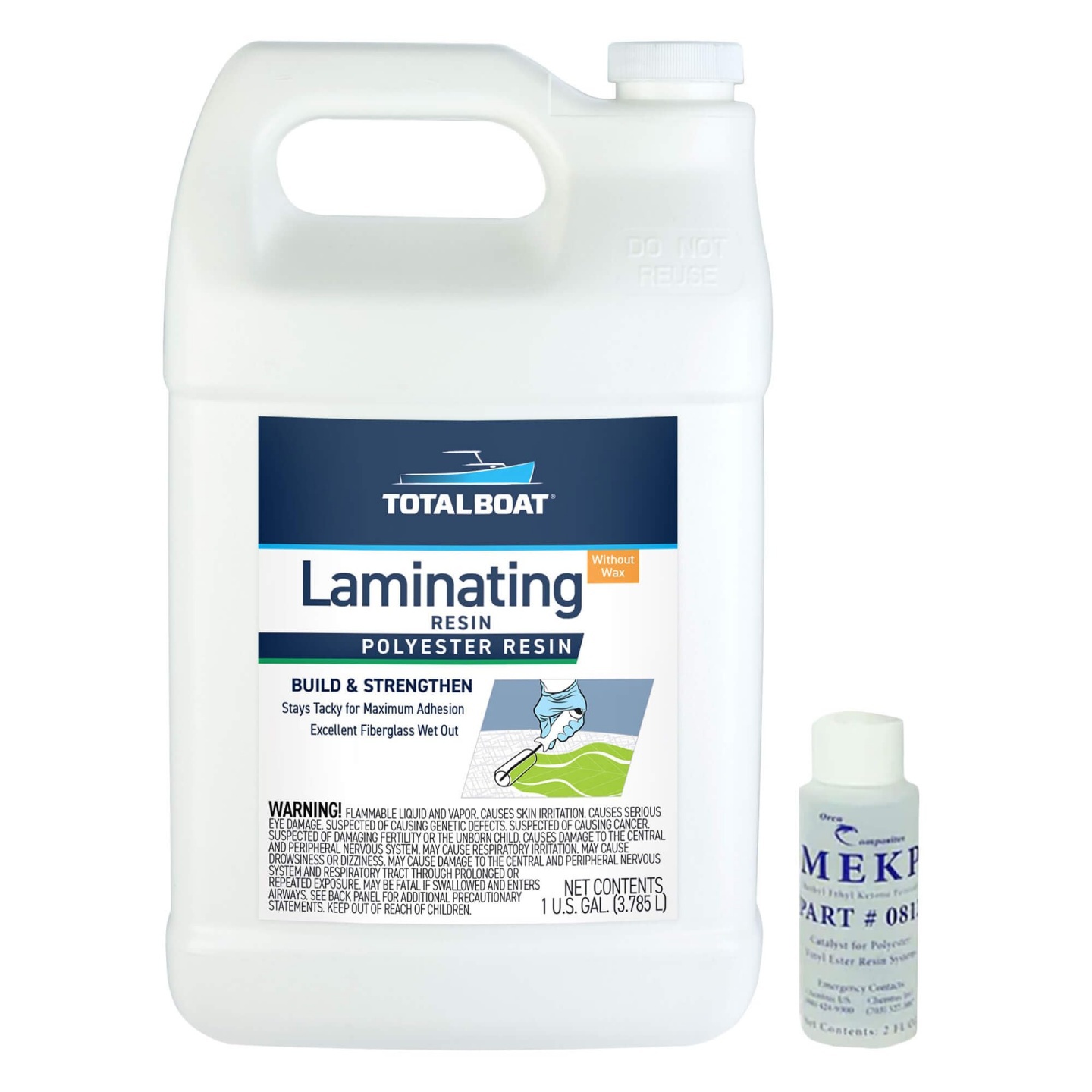
Unsaturated polyester resin (UPR) is one of the most widely used resins in fiberglass manufacturing. It cures using a catalyst, typically MEKP (Methyl Ethyl Ketone Peroxide)
:Key Properties of Polyester Resin
Cost-effective and budget-friendly✅️
Fast curing time✅️
Easy processing✅️
Suitable for mass production✅️
Moderate mechanical strength✅️
Higher shrinkage compared to epoxy✅️
:Main Applications
1️⃣Fiberglass boat hulls
2️⃣Automotive body panels
3️⃣Water tanks and pipes
4️⃣Decorative mold casting
5️⃣GRP (Glass Reinforced Plastic) products
:Disadvantages
Lower adhesion strength❌️
Moderate chemical resistance❌️
Strong odor and VOC emissions❌️
More brittle than epoxy❌️
?What is Vinyl Ester Resin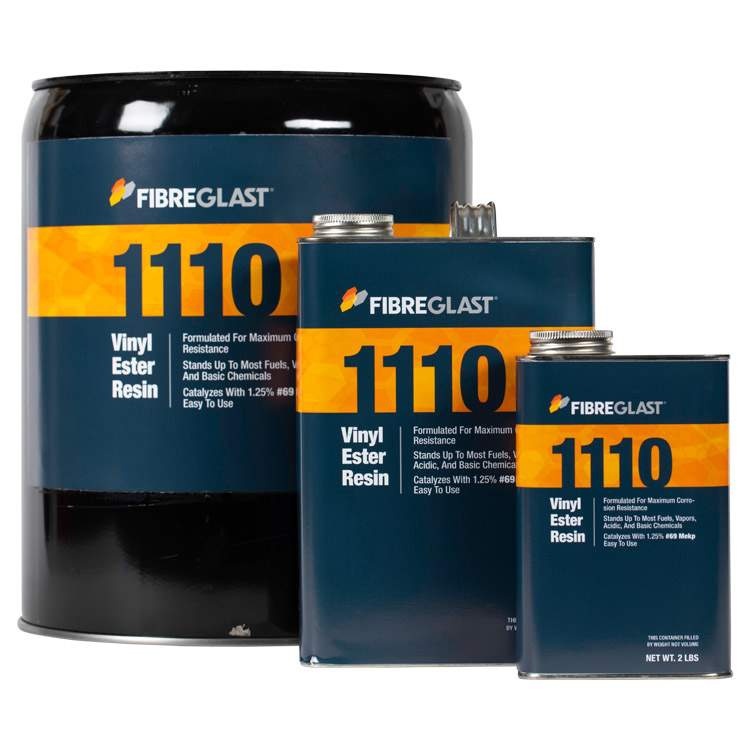
Vinyl ester resin is a hybrid resin created by reacting epoxy resin with unsaturated acids. It combines the toughness of epoxy with the processing advantages of polyester.
:Key Properties of Vinyl Ester Resin
Exceptional chemical resistance✅️
Excellent corrosion resistance✅️
Better adhesion than polyester✅️
Higher impact resistance✅️
Lower shrinkage than polyester✅️
Medium price range✅️
:Main Applications
1️⃣Chemical storage tanks
2️⃣Petrochemical plants
3️⃣Offshore and marine structures
4️⃣Corrosion-resistant linings
5️⃣Industrial containment systems
:Disadvantages
More expensive than polyester❌️
Requires precise handling❌️
Strong chemical odor❌️
Key Differences Explained
Chemical Structure Difference🔴
Epoxy: Highly crosslinked 3D polymer network
Polyester: Linear ester chains
Vinyl Ester: Hybrid epoxy-modified structure
Mechanical Performance🔴
If strength and structural bonding are critical → Epoxy is the best choice
Chemical & Corrosion Resistance🔴
For aggressive chemical environments → Vinyl ester or epoxy outperform polyester.
Cost Comparison🔴
Budget projects → Polyester-
High-performance engineering → Epoxy-
Chemical plants & marine exposure → Vinyl ester
?Which Resin is Best for Your Project
Best Resin for Industrial Flooring🔷️
Epoxy resin due to high abrasion and chemical resistance
Best Resin for Fiberglass Boat Manufacturing🔷️
Polyester resin for cost efficiency
Vinyl ester for improved durability and water resistance
Best Resin for Chemical Tanks🔷️
Vinyl ester resin due to superior corrosion resistance
Best Resin for Artistic Casting & River Tables🔷️
Clear epoxy resin for clarity and strength
Frequently Asked Questions (FAQ)
?Is epoxy stronger than polyester🔸️
Yes. Epoxy resin offers significantly higher tensile strength and adhesion performance.
?Is vinyl ester waterproof🔸️
Yes. Vinyl ester has excellent moisture and corrosion resistance, making it ideal for marine and chemical environments
?Which resin is cheapest🔸️
Polyester resin is the most economical option
?Can epoxy be used outdoors🔸️
Yes, but UV protection or topcoat is recommended
?What resin is best for marine applications🔸️
Vinyl ester for corrosion resistance; epoxy for structural bonding
Final Conclusion
There is no single “best” resin — the right choice depends on
Budget✔️
Mechanical load requirements✔️
Chemical exposure✔️
Environmental conditions✔️
Production scale✔️
If you need maximum strength and durability → Epoxy Resin
If you need low-cost mass production → Polyester Resin
If you need chemical and corrosion resistance → Vinyl Ester Resin
دیدگاه خود را بنویسید